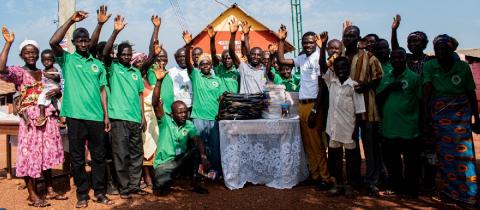
Thirty women cocoa farmers from cocoa-growing communities across Ghana recently came together to share their experiences, challenges, and aspirations for the future of the cocoa sector.
The workshop provided a safe space for women to discuss the realities they face as cocoa producers and identify practical solutions that can improve their livelihoods and strengthen their contribution to the sector.
Access to Land Remains a Major Barrier
A key issue raised during the discussions was access to land. Many participants explained that cultural norms often view cocoa farming as a male responsibility, making it difficult for women to acquire land independently. As a result, many women can only access farmland through their husbands or male relatives, limiting opportunities to expand their farming activities.

Challenges Affecting Productivity
The women also highlighted challenges that continue to affect cocoa production and household incomes, including:
• Limited access to farm inputs and agricultural support services.
• Poor road infrastructure affecting access to farms and markets.
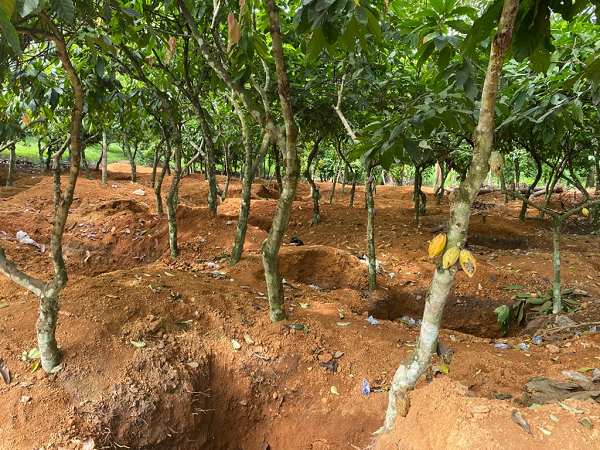
• The negative impact of illegal mining (galamsey), which has damaged roads and agricultural lands in many communities.
Cocoa Price Increases Have Helped Families
Participants acknowledged that the increase in cocoa prices in 2025 provided important relief to farming households. Many reported using the additional income to repay debts, pay school fees, access healthcare, and support their families.
However, concerns were raised about instances where farmers do not receive the full official farm-gate price due to unfair practices by some Licensed Buying Companies.
Women’s Voices Need to be Heard
Many participants expressed concerns about their limited involvement in household, community, and sector-level decision-making processes. They emphasized the need for leadership training, confidence-building initiatives, and opportunities to participate more actively in discussions that affect their livelihoods.
What Women Cocoa Farmers Need
The women identified several priority areas for support:
• Affordable credit and financial services
• Access to quality farm inputs
• Agricultural training and extension services
• Leadership and empowerment programmes
• Greater transparency and accountability across the cocoa value chain
Looking Ahead
The workshop highlighted the resilience, determination, and potential of women cocoa farmers. Creating an enabling environment where women have equitable access to resources, opportunities, and decision-making processes will be essential for building a more inclusive and sustainable cocoa sector in Ghana.